GFOUNDRY SOLUTIONS BY INDUSTRIES

Talent Management for Tech and IT Services

Talent that lives in two places.

In tech and IT services, most of your team works in someone else’s office most of the time. The bank’s. The telco’s. The retailer’s data team. The software customer’s open-plan floor.
That is where they live, day in and day out. Six months on a project. Twelve months on a programme. Eighteen months embedded in a client whose Slack is more familiar than yours.
The relationship with their actual employer, your company, is mediated by an app, a quarterly all-hands, a Friday 4pm Zoom, a digest email they may or may not open. If those touchpoints are dry, the talent drifts. Drifts to LinkedIn. Drifts to whoever offered them 30% more last week.
Generic HR software assumes the employee comes to the office. In tech services, the employee is in someone else’s office.
GFoundry was built for that.
Overview of the SAP HANA Finance competition with participant rankings and progress details.

Why generic HR platforms break in tech and IT services.

Five failure modes you will recognise from any consultancy, software house or services company.

The 5-day onboarding that ends before they meet the team. Contract signed Monday. At the client’s office Thursday. By Friday they have shipped one ticket and met two people they will never see again. Their integration into your company, the values, the methodology, the colleagues, the career conversation, is supposed to fit between Wednesday’s HR briefing and Thursday’s commute. It does not. By month three, they work for you on paper, and for the client in everything that matters.
Performance reviews based on people the manager has not seen all year. The senior is in month eleven on the bank’s project. The manager has seen her in three all-hands. The annual review is built from a self-evaluation and one peer comment. The conversation is fiction with data. Every senior knows it.
Annual L&D plans for skills with an 18-month half-life. The 2026 learning plan was written in October 2025. By May 2026, three of the headline skills are stale and five new ones have appeared. Nobody replanned. Meanwhile your developers are buying their own Udemy subscriptions and you are paying for a learning platform they no longer open.

Engagement surveys answered only by the juniors at headquarters. The pulse goes out. Response rate: 18%. The sample is the juniors who happen to be in the office that week. The seniors in projects, the ones whose departure costs you six months of revenue, did not respond. The decisions you take next quarter come from the visible minority. The signal you needed is in the silent majority.
Retention strategies that assume the talent wants to be retained. Your senior dev is in four interviews with Stripe, Google, and two scale-ups offering 50% more. Your retention programme is fruit in the kitchen and flexible Fridays. He laughs. The market does not lose to perks. It loses to better careers, faster mobility, real visibility, and a company that proves, weekly, that it sees the work.

Two locations. One platform.

Same gamification engine. Same AI. Same mobile app. One platform that reaches the consultant in the bank’s basement and the partner in the head office, with the same content, the same recognition, the same career.

Location 1: at the client’s site, where they live most of the time.

In tech services, most of your team is in someone else’s office most of the time. If your engagement, your learning, your recognition and your career conversations cannot reach a phone in a bank’s lift, they do not happen.

1. Onboarding that starts before the first standup.

Pre-onboarding the day the offer is signed. Day-by-day journeys until the actual start. By day 5 they know the company, the values, the team, the methodology, the tools. By day 30 they have shipped their first contribution and the manager has seen the adoption curve in real time. Onboarding done well lifts retention 25%. Know more here.

2. Learning that fits a sprint review break.

A full LMS, with the full range. Training programs, curricula, certifications, missions, AI-generated content. From 60-minute deep dives on a new framework to 5-minute micro-modules between standups. Skills tagged to roles, projects and career paths. Gi Learn (our AI) builds either format from your tech blog, your internal handbook or a paper your principal engineer dropped in Slack, in seconds.

Mobile-first because the laptop is busy with the client’s work. Know more here.

3. Pulse signal from people you barely see.

Weekly pulse, three minutes, anonymous, scored 0 to 10. Nine engagement metrics in real time: wellbeing, alignment, recognition, work-life balance, peers, manager, career, eNPS. Response rate matters here. The gamification engine drives 80%+ instead of 18%. The signal you finally act on is the real signal, not the one from whoever happens to be at headquarters that week. Know more here.

4. Recognition that crosses city boundaries.

Peer-to-peer, hard skills (the deploy you saved on the Saturday rollback) and soft skills (the way you handled the angry client). Public, banked into virtual coins, redeemable in the marketplace. The senior dev embedded in the client’s basement and the partner in the head office see the same wall of recognition. Doubling weekly recognition lifts productivity 9% and cuts absenteeism 22% (Gallup/Workhuman). Know more here.

5. Career visibility that survives a 12-month assignment.

Performance touchpoints quarterly, not annually. 360° from project peers and the client lead. The 9-box matrix and the exit-risk matrix tell you who is winning, who is at risk, who is ready for the next step. Internal mobility marketplace, so the dev who wrapped a 12-month project at the telco can move to a cloud project without leaving the company. Know more here.

Location 2: on your platform, where the company they joined still exists.

The consultant lives at the client. But the company that signs the paycheque, the one with the values, the one she chose, has to stay alive in her phone, on her morning commute, between projects. Location 2 is the platform where that company exists when she is not at the office.

6. Internal communications that the field actually opens.

News feed, push notifications, calendar, comments, reactions. Communities by interest (women in tech, junior devs, a specific stack), employee resource groups, segmented announcements per practice or geography. The notification cuts through because the consultant opted into the topic. App fatigue solved by consolidation, not by adding another channel.

7. Innovation from the bench.

The developer between projects has the best ideas. The ones in projects do not have time to think. Closer Consulting runs quarterly innovation challenges on the platform: open submissions, peer voting, prototyping, dashboards for leadership, the best idea funded. Not slideware. Real change. Know more here.

8. Mentoring with AI matching, that does not die after week three.

A senior wants to coach. A junior wants someone who has been there. AI matches across project, location, language, focus area. A five-step programme with missions and 70/20/10 methodology keeps the relationship alive past the launch buzz. Pulse on the health of every pair. Dashboards on programme ROI.

9. OKRs that align headquarters with the field.

Top-down strategy, bottom-up execution. The senior in the bank’s project team sees how her work links to the company’s quarter. Roadmaps, check-ins, gamified milestones. When the client priority shifts, the OKR adjusts the same week, not at the next planning offsite.

10. A skills marketplace, not a job board.

Internal mobility platform powered by the same skills graph that drives learning. The senior dev’s skills (Python, AWS, leading 5-person teams, mentoring, client management) are searchable by partners staffing new projects. Internal projects find internal people. The senior who wanted to learn Kubernetes finds the project that uses it. Building beats buying, every quarter.

ONE ENGINE. TWO LOCATIONS.

Same engine. The bank’s office or yours.

The same five-minute micro-module that updates a backend developer on a new framework runs the same way at the client’s standing desk and in the company’s hot-desk on Friday.
The same recognition that lets a partner celebrate a junior’s first solo deploy reaches the team in the basement of the telco the same minute it lands in the head office.
The same career conversation that decides whether the senior moves up or moves out happens on the same platform whether the manager is at the client meeting or at the head office.
This is not a perk. This is the difference between a company that loses its best people to LinkedIn every quarter and one that keeps them, grows them, and earns the next deal because they are still on the team.
One platform. Wherever they happen to be working today.
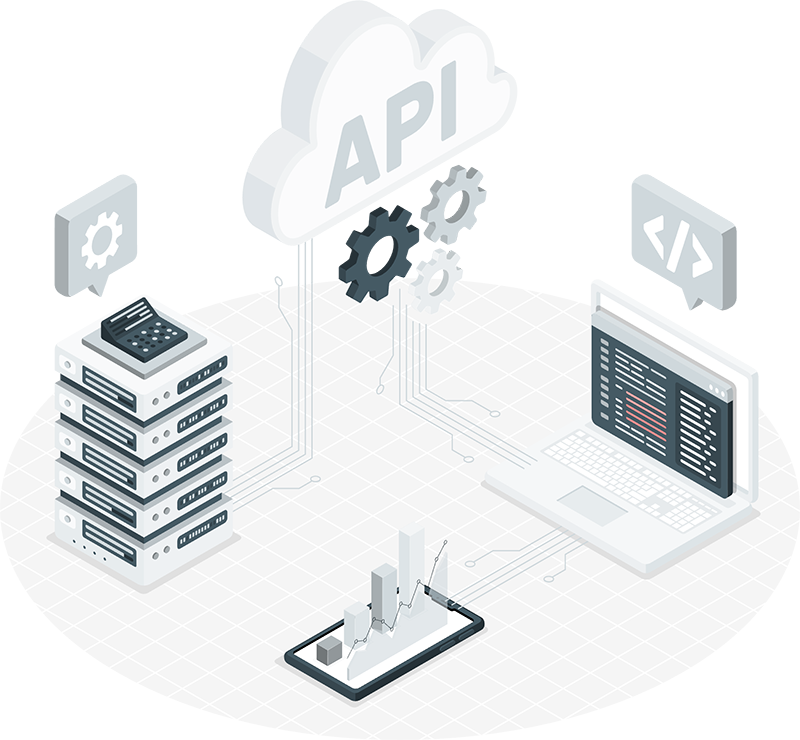
Illustration depicting API integration with servers, a laptop displaying code, and gears representing functionality.

One case study you can actually use.

Closer Consulting, the Portuguese data and AI consultancy with 370 employees spread across clients in 14 countries. Their platform, Stay Closer, runs onboarding, performance, learning and the engagement thermometer on GFoundry. Quarterly evaluations replaced the annual cycle. The training path is integrated with each consultant’s career plan. Onboarding became a gamified mission, critical during the years of strongest growth.

Frequently asked questions.

The questions HR directors of tech and IT services companies actually ask before a demo.

How does GFoundry reach a consultant who is at the client's site every day?

Mobile-first by design. iOS and Android apps with the same feature parity as the web. Push notifications, weekly digests, gamified missions, micro-modules timed for between-meeting moments. The platform reaches the consultant on her phone, in the lift of the client’s building, the same way it reaches the partner at headquarters. Consolidating internal comms, learning, recognition and OKRs into one app is what makes it work; one notification stream the team will not silence.

Can we run separate engagement programmes for our consultants vs. our internal staff?

Yes. Multi-container architecture. Each practice, business unit, or geography runs in its own segmented container with its own content, communities and dashboards, all rolling up to the parent organisation for consolidated analytics. Internal staff and field consultants can have shared rituals (recognition, all-hands, values content) and separate programmes (different onboarding paths, different OKR cadences, different recognition triggers).

How do we get a real engagement signal from people who never come to the office?

Two things change response rate from 18% to 80%+. First, the survey is on the same app they already use daily for learning, recognition and OKRs, so it is not a separate trip. Second, gamification: small rewards for participation streaks, anonymous results visible to the team, action commitments visible to leadership. Three minutes, weekly, scored 0 to 10. The signal you act on is the real one, not the one from whoever happened to be at HQ that week.

Does GFoundry replace our HRIS, LMS, or systems like Workday and SuccessFactors?

It depends on the layer.

GFoundry is a full LMS in its own right. Training programs, curricula, certifications, missions, AI-generated content. Everything an enterprise LMS does, plus a gamification engine and an AI content generator that off-the-shelf LMS vendors do not have. Many of our tech-services clients use it as their primary LMS.

GFoundry also replaces stand-alone tools for performance management, employee engagement and pulse surveys, recognition, mentoring, innovation management, and internal communications. If today you have one tool per use case, GFoundry tends to consolidate them.

What GFoundry does not replace is the HRIS / HCM core, the system of record for employee master data, payroll and benefits administration. Workday HCM, SuccessFactors HCM, SAP HR, ADP keep that role. GFoundry integrates with them via SAML, Active Directory, LDAP, SSO and open API, and runs the daily experience on top.

The typical pattern in tech services: keep the HCM core for the system of record, replace the bolt-on modules (LMS, performance, engagement, recognition) with GFoundry, and let GFoundry surface the signal the HCM cannot see.

Does it integrate with our Jira, GitHub, Slack and Microsoft Teams stack?

Yes. Native integrations with Slack and Microsoft Teams. Open API for everything else (Jira, GitHub, Confluence, the project tracking tool of the day). SSO via SAML, Active Directory, LDAP, Google and LinkedIn. Skills, recognition events and learning completions can be surfaced in Slack/Teams. Engagement metrics can be exported to your BI tool of choice.

How is AI used inside GFoundry, and how is privacy protected?

GFoundry Intelligence (Gi) is trained on each organisation’s documents, not on a generic public dataset. Each client has its own isolated Gi instance. For predictive analytics (Gi Talent), personal identifiers are anonymised before any AI processing; names and PII are resolved server-side after the model returns its answer. Useful for tech-services because the consultants’ data crosses the bank’s, the telco’s and the retailer’s privacy expectations.

How long does implementation take in a tech services company?

Typical first go-live is 6 to 10 weeks for a focused use case: an onboarding journey, a performance cycle, an internal academy, an innovation challenge. Full transformation rollouts run in waves over 6 to 18 months. Implementation is supported by a certified GFoundry partner.

What does GFoundry cost for a tech or IT services company?

Three plans: BASE (self-service, up to 5 users free), PLUS (enterprise, minimum 250 users, includes partner consulting), and PREMIUM (enterprise, all modules, minimum 250 users). For a tailored proposal scoped to your consultancy, software house or services operation, request a demo and we will come back with a number.

Ready to get started?

Take the next step and learn more about how GFoundry can help you.

Talent management platform to boost employee engagement