
Supercharge your recruitment with GFoundry’s employee referral programs. Discover innovative strategies for talent acquisition!

What is the importance of an employee referral programme?
For an organisation to maintain its growth rate at adequate and desirable levels, it is important to have the most relevant open positions filled with the appropriate people for the functions they have to perform. Having the right employees for each function makes a huge difference in individual performance and in the performance of the organisation as a whole. One of the actions that can enhance the effective maintenance of all these processes is the implementation of an employee referral programme.
What is an example of an employee referral?
It is a programme that uses as a resource the recommendations of current employees to fill open positions in recruitment processes or even to leverage recommendations for internal movimentations. Examples of an employee referral:
- Promotions;
- Salary increases;
- Changes of Sector;
- Changes of Function.
It is common that a referral program does not eliminate the steps established for traditional selection processes, only certifying a recommendation to HR, being a different way to validate a candidate and keep the levels of motivation and involvement of the community at higher levels. Furthermore, associated with a rewards programme, it is common for the employee who refers another professional to receive a reward when the same is validated by those responsible for the process. Read this study to learn more.
Why are employee referrals?
The referrals can come from anyone inside the company who knows someone—either personally or professionally—who they believe would be a good fit for a role.
What are the benefits of referral?
6 advantages of a referral program:
- Shorter time to complete the process
- Lower cost per hire
- More motivated new employee
- Increased talent retention
- Improvement in the organisational environment
- Ability to discover hidden talents
In an immediate way it is possible to increase productivity, motivation, involvement and the feeling of belonging, besides the position being filled with a professional aligned to the cultural fit of the organisation. Read more: Employee Referrals: Key Source for Talented Workers
How do you ask for an employee referral?
1. Communication
Communication is a key element for the success of any initiative. Firstly, it is important to communicate the purpose and objectives of this programme, so that it is clear to employees what the importance of their role will be. In addition, it is crucial to indicate what shape this programme will take in the company: will it be for open positions? Will it be a programme to recommend changes in employees’ positions? Finally, if there is a rewards programme for recommendations that become positive and beneficial to the organisation, it is also important to communicate the benefits to employees. GFoundry has several Internal Communication tools that allow to disseminate content in a clear and agile way. In addition to the News Feed, where there may be more extensive content, with graphic support, push notifications can also positively impact the reach that the communication will have on the organisation as a whole.
2. Management of the Process
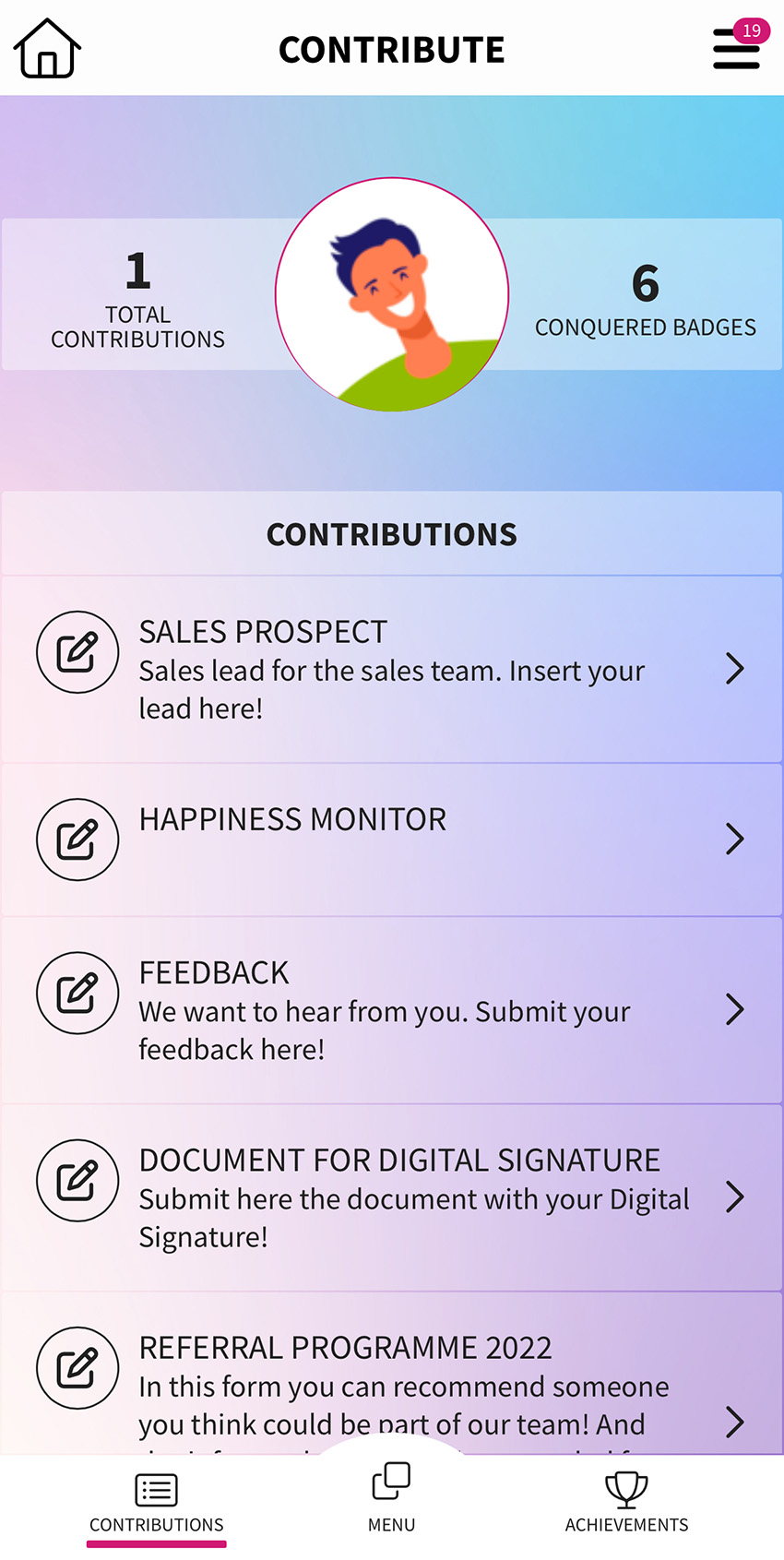
The referral process should be simple and intuitive for all employees who want to refer. In GFoundry, you can use the Contributions Module for this purpose. By creating a recommendation form, you can include fields where you collect relevant information about the recommended candidate (e.g., Professional experience, link to their LinkedIn profile, Qualifications…), and their contact information. This way, all information about recommended candidates is centralised and available for the HR team to consult. For employees, this form can always be available so that they can recommend candidates whenever they know of an opportunity.
3. Feedback
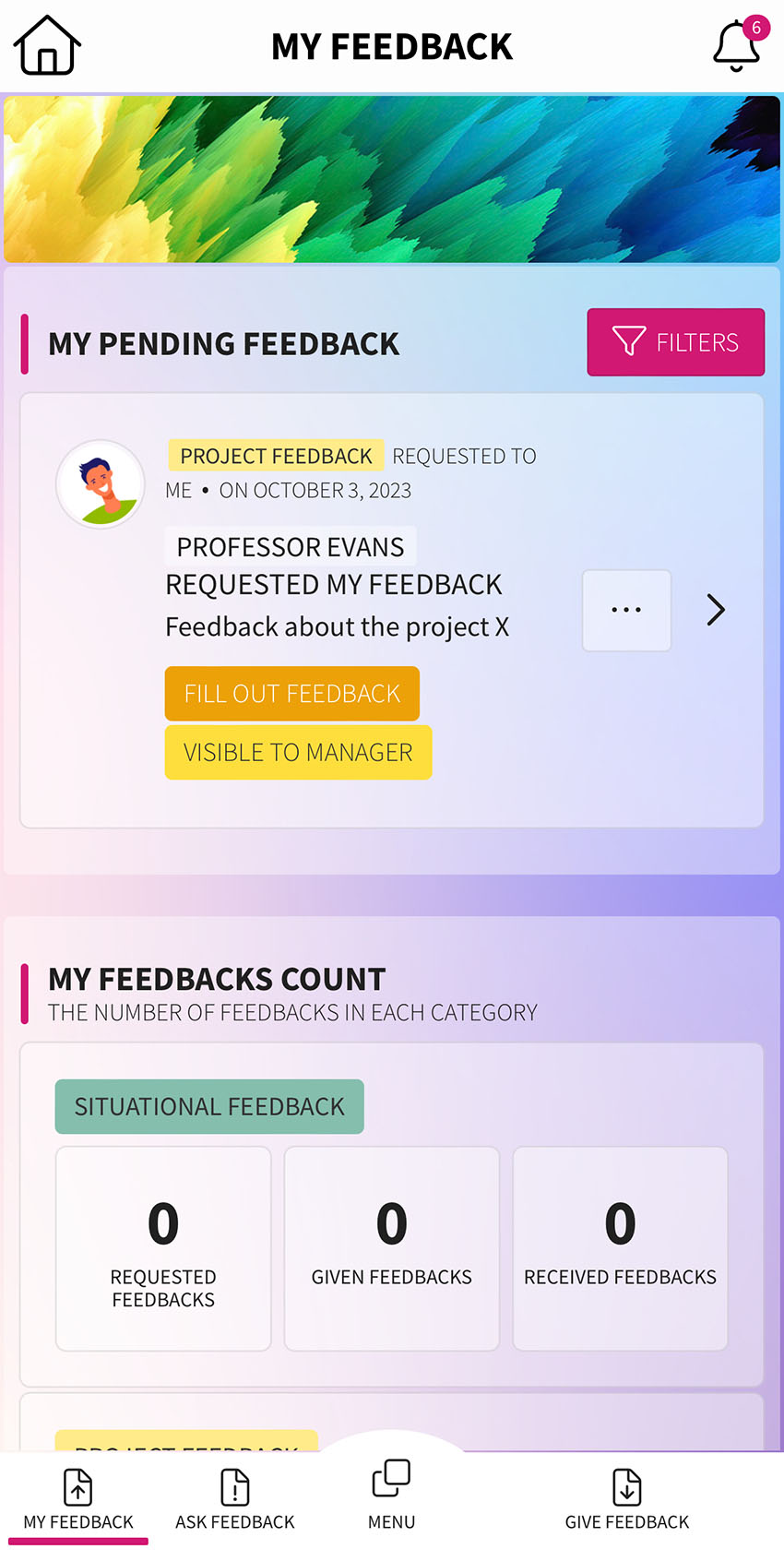
In a referral programme, it is crucial to provide continuous feedback to referring employees in order to keep the programme alive, credible and fair. The GFoundry solution has tools geared towards this goal. In the Contributions Module, in addition to the possibility of changing the status of each referral, it is possible to write a justification for closing a process when the proposed candidate does not make sense for the organisation. As an example, in the first instance, a candidate’s recommendation may be pending approval by Human Resources. When the candidate goes through the application screening, the HR team may validate or refuse, and the employee will have access to that result. In this way, you will know whether you can access the reward associated with the programme.
4. Awarding
One of the most effective ways to stimulate employee participation in this type of programme is through rewards. Therefore, it becomes important the design and implementation of a reward dynamic aligned with the objectives and performance of the person that references. Thus, when a candidate proposed by an employee is hired, the referrer should be rewarded. GFoundry, through its powerful gamification engine, allows the attribution of rewards to employees through their actions on the platform. For example, when an employee submits a recommendation for a potential candidate, they may receive initial compensation for their effort. Later, if the candidate becomes an employee of the organisation, the referrer may receive another reward for the success of their recommendation!