
Reboarding is the process of supporting someone as they return to work after an extended absence. It helps them understand what has changed, regain their bearings and resume their responsibilities with conditions suited to their situation.
Imagine returning to the same company, the same role and the same desk. In the meantime, your team has a new manager, the tool you used has been replaced and projects follow different priorities. Knowing the organisation does not mean being up to date with the organisation you return to.
For HR professionals and managers, preparing that transition involves more than restoring access. It means bringing together useful information, working relationships and clear expectations. This article offers an adaptable approach, with an example plan and considerations for returning after a health-related absence.
What is reboarding, and when is it useful?
While onboarding introduces an organisation to someone who has just joined, reboarding starts from an existing relationship. The person brings experience, knowledge and a history with the company. Reintegration means recognising that experience and identifying the changes they need to understand or practise.
It can be useful after parental leave, an absence due to illness or an accident, a sabbatical or time away to provide care. Duration matters, but it does not explain everything: a few weeks in a rapidly changing operation can require more updating than several months in a stable role.
There is no single experience of returning, either. Someone coming back from parental leave may need project updates and clarity about working arrangements. Someone returning after illness may need adjustments supported by occupational health. A sabbatical may raise different questions about priorities and development. The starting point should be a conversation, rather than assumptions about the person’s motivation or ability.
The CIPD and Bupa guide to returning after long-term absence treats the return as a journey in which the employee, colleagues, manager and organisation have complementary roles. That perspective helps avoid placing the entire responsibility for adapting on the person returning.
Before the return: prepare the essentials
Start by agreeing on contact that suits the situation: who communicates, through which channel and for what purpose. A preparation message should clarify the expected return and available support, without turning time away into an obligation to keep up with work. The CIPD recommends agreeing on the form and frequency of contact; if the relationship with the manager is part of the difficulty, a different HR contact may be needed. Read the CIPD guidance on supporting a return to work.
Next, review what has changed since the person left. Select what affects their role: key contacts, responsibilities, processes, tools, safety procedures and decisions already made. A guided summary is more useful than forwarding months of messages without context.
- Manager: sets priorities, identifies work to resume and decides what stays with other colleagues.
- HR: coordinates the process, clarifies arrangements and brings together the support needed.
- IT and operations: check access, equipment, permissions and workstation arrangements.
- Designated colleague: helps with everyday questions and informal changes within the team.
Check that preparations are complete with the people responsible before the first day. Access that has “already been requested” is still a barrier if it does not work yet. Similarly, assigning a support colleague only helps if that colleague has time available and understands what is expected.
The return conversation: listen and agree expectations
The initial meeting should take place in private and leave room for the returning person’s questions. Acas recommends a return-to-work conversation to share updates, identify support and discuss concerns. Its guidance offers a practical starting point for structuring that discussion.

Explain the purpose of the conversation and use open questions: “What do you need to understand first?”, “Which changes are you most unsure about?” or “What would help you resume these tasks?” The person may feel comfortable with the technical work and mainly need to reconnect with colleagues, or the reverse may be true.
Aim to leave the meeting with concrete decisions: initial priorities, training needs, key contacts and a date for the next conversation. Also agree on what will be communicated to the team. You can clarify task allocation and availability without sharing personal reasons for the absence.
An important distinction: discussing conditions for working is different from requesting clinical details. The manager needs to understand the functional implications and agreed support; health assessment belongs with the appropriate professionals.
A reboarding plan in 4 stages
A useful reboarding plan fits on one page and answers four questions: what will be resumed, with what support, who is responsible and when it will be reviewed. Dates should support learning and adjustment, without creating a race to make up for time away.
The following example is an editorial proposal for organising the work. It is neither a clinical protocol nor a recommended duration for everyone.
| Stage | Priority | Evidence for the review |
|---|---|---|
| Before the first day | Confirm the main contact, access and a summary of changes. | Conditions checked by those responsible and an initial schedule agreed. |
| First day | Talk with the manager, reconnect with the team and choose priorities. | The person knows what to do first and whom to ask for help. |
| First week | Update process knowledge and try a task with support. | Questions identified and support adjusted through practice. |
| Following weeks | Review workload, independence and learning needs. | A joint decision on the next step and a new review date. |
Consider the fictional example of a customer support specialist returning after six months of parental leave. During the absence, the company changed its ticketing system. On the first day, the manager explains the changes and arranges a demonstration. During the first week, the specialist shadows a colleague and handles some tickets with support. At the review, they discuss which situations the specialist can already manage independently and where more practice is needed.
Repeating the general induction would add little for someone who already knows the company. Immediately assigning a full caseload would also overlook a relevant change. In this case, the plan focuses on the tool and process that actually changed.
Where a gradual increase in hours, tasks or workload is appropriate, the arrangement should be individual and reviewed. Acas guidance on phased returns highlights that flexibility. Reducing hours while keeping the same volume of work, for example, can simply compress the pressure into a shorter period.
Health and privacy: keep the right boundaries
When an absence follows illness or an accident, preparation includes health and safety considerations that reboarding alone cannot address. HR should coordinate with the appropriate occupational health professionals and agree how recommendations affecting work will be put into practice.
Keep the focus on functional needs and agreed support. Preparing for someone’s return is not a reason to put diagnoses, clinical reports or personal explanations into learning journeys, shared tasks or team messages. Agree what colleagues need to know to work together and keep sensitive health information within the appropriate confidential channels.
For returns related to mental health, the WHO guidelines include return-to-work interventions, bringing together work-directed measures and clinical support. For the organisation, this means discussing specific working conditions and reviewing whether they remain suitable. A welcome schedule does not replace professional assessment or resolve persistent problems with workload or working relationships on its own.
How to tell whether reintegration is working
A completed plan does not prove that someone can work with confidence. During follow-up conversations, connect the activities to real situations: did they find the information they needed? Could they carry out the task? Was support available in time? Does the agreed workload match the work they are actually receiving?
Combine operational signals with the person’s experience. An access problem can be counted and resolved; clarity about priorities requires a conversation. Completing training can indicate exposure to content; application should be observed in a suitable task, with the support agreed.
If reboarding is not working, look for the cause before increasing expectations. Perhaps there is too little time to practise, the procedure is outdated or the team keeps sending requests outside the agreed priorities. Record the adjustment, who is responsible and the next review. Follow-up becomes useful when it leads to decisions.
Where GFoundry can support reboarding
When several people, roles or locations are involved, a platform can make the journey easier to consult and follow. Decisions about the support needed remain with the people responsible for the return.
In GFoundry, Missions organise content and activities into milestones and goals. For a reboarding programme, an organisation can use that structure to bring together a summary of changes, a procedure update and a practical activity. This is a possible use of existing capabilities, dependent on configuration and active modules; it is not a clinical module or an automatically ready-made return-to-work programme.
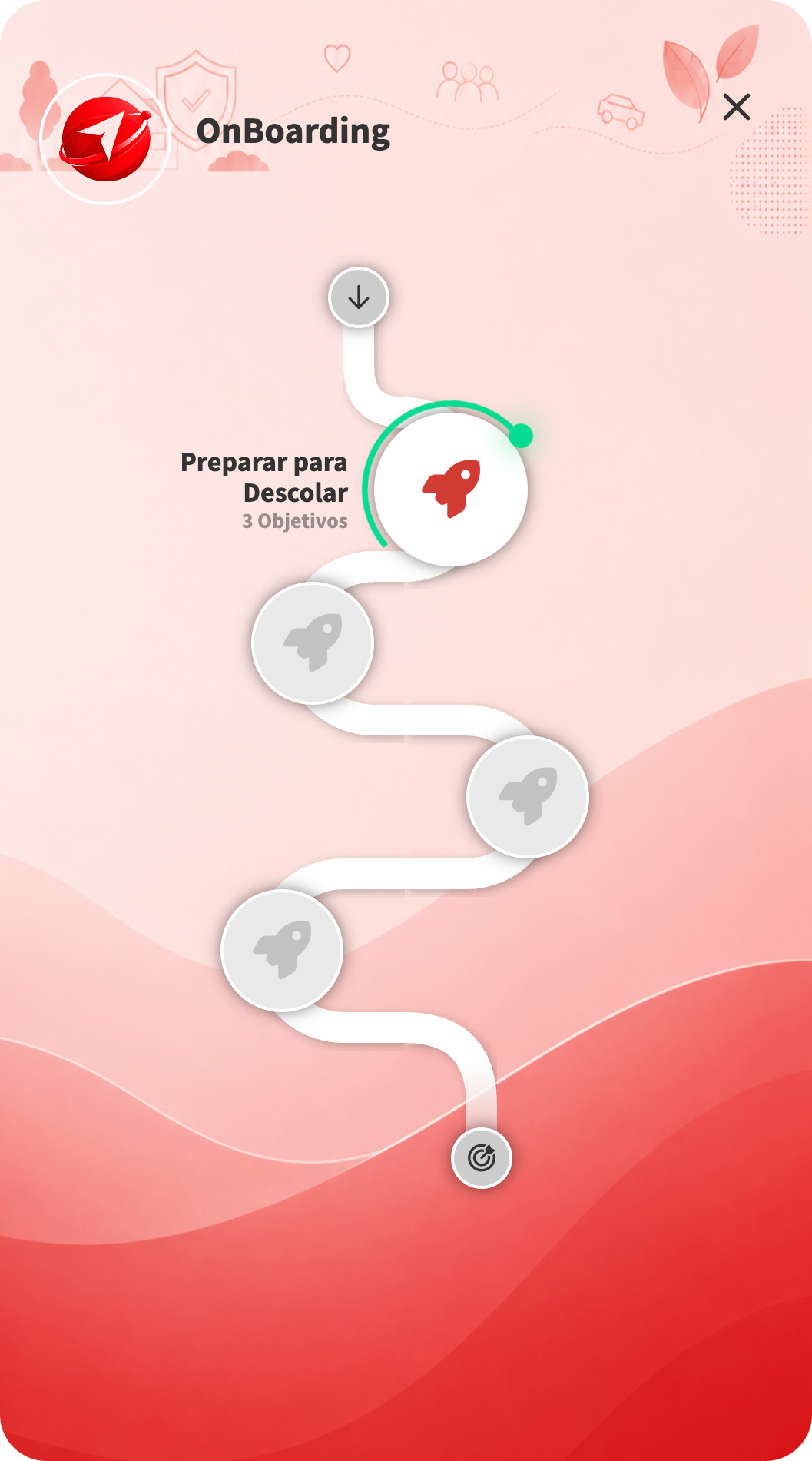
If the need is simply to work through update materials in sequence, Learning Paths connect content with navigation between steps. The distinction is useful: a Mission can bring together several types of activity; a Learning Path focuses on the learning sequence. The Learning Paths guide in the Help Center explains both options.
In either format, keep the journey short and relevant to the role. Provide working time to complete it and access to human support. Points, badges or speed rankings should not turn different return-to-work situations into a competition, and digital completion should not be interpreted as medical fitness or recovery of work capacity.
The intended outcome is easy to recognise: the person returning understands the current context, knows what is expected and can find support to resume work. Technology can organise part of that journey. The quality of the return depends on the conditions the organisation can create and review.