
People Analytics and Data-Driven Decisions: From Intuition to Strategic Evidence
People management is facing a defining moment: align with data or become irrelevant. People Analytics has emerged as a critical tool for elevating the Human Resources function to a strategic, evidence-driven level. This article dives into the key dimensions of People Analytics, showing how data can transform the way organisations hire, develop, retain and mobilise talent.
Why is it urgent to talk about data in Human Resources?
The current landscape challenges traditional talent management models. Demographic shifts, skills shortages, hybrid work and the demand for a return on investment in people are putting growing pressure on HR departments. The answer lies in adopting scientific methods to understand behaviours, anticipate trends and make decisions that maximise the human impact on the business.

What is People Analytics?
People Analytics is the use of data, metrics and analytical techniques to understand, measure and optimise people-related practices within an organisation. It is a discipline that brings together statistics, data science, organisational psychology and talent management.
From reaction to prediction
Traditionally, HR operated on the basis of experience, intuition and basic indicators (such as absenteeism rate or headcount). People Analytics goes further: it identifies behavioural patterns, predicts risks (such as turnover) and recommends actions with measurable impact.
The four layers of HR analytics
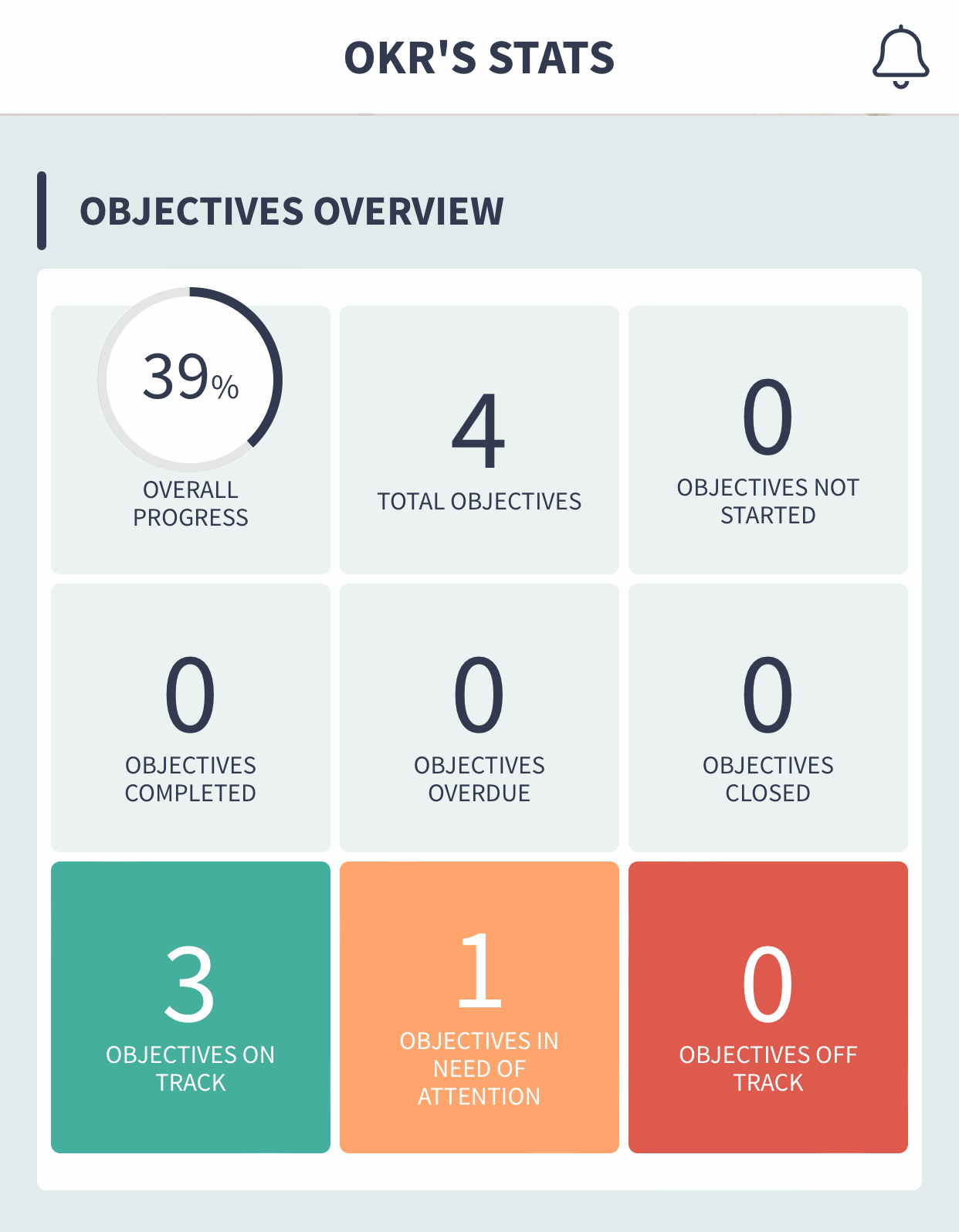
- Descriptive: What happened? (e.g. number of departures in the last 12 months)
- Diagnostic: Why did it happen? (e.g. analysis of turnover causes)
- Predictive: What might happen? (e.g. attrition risk models)
- Prescriptive: What should we do? (e.g. automated action plans)
Analytical maturity in organisations
Not every company is ready to apply advanced analytics. It is essential to understand the organisation’s level of analytical maturity before investing in sophisticated solutions.
Analytical Maturity Model (Josh Bersin)
| Level | Description |
|---|---|
| 1. Reactive | Use of basic data and operational reports |
| 2. Tactical | Performance metrics and internal benchmarks |
| 3. Strategic | Correlations and analyses focused on organisational impact |
| 4. Transformational | Prediction, prescription and integration with business decisions |
Critical factors for progress
- Data literacy among HR leaders
- Quality and integration of people databases
- Ability to translate insights into actionable decisions
People Analytics in practice: strategic applications
People Analytics can be applied across the entire employee lifecycle. Below we list the areas where data has the greatest impact:
Key areas
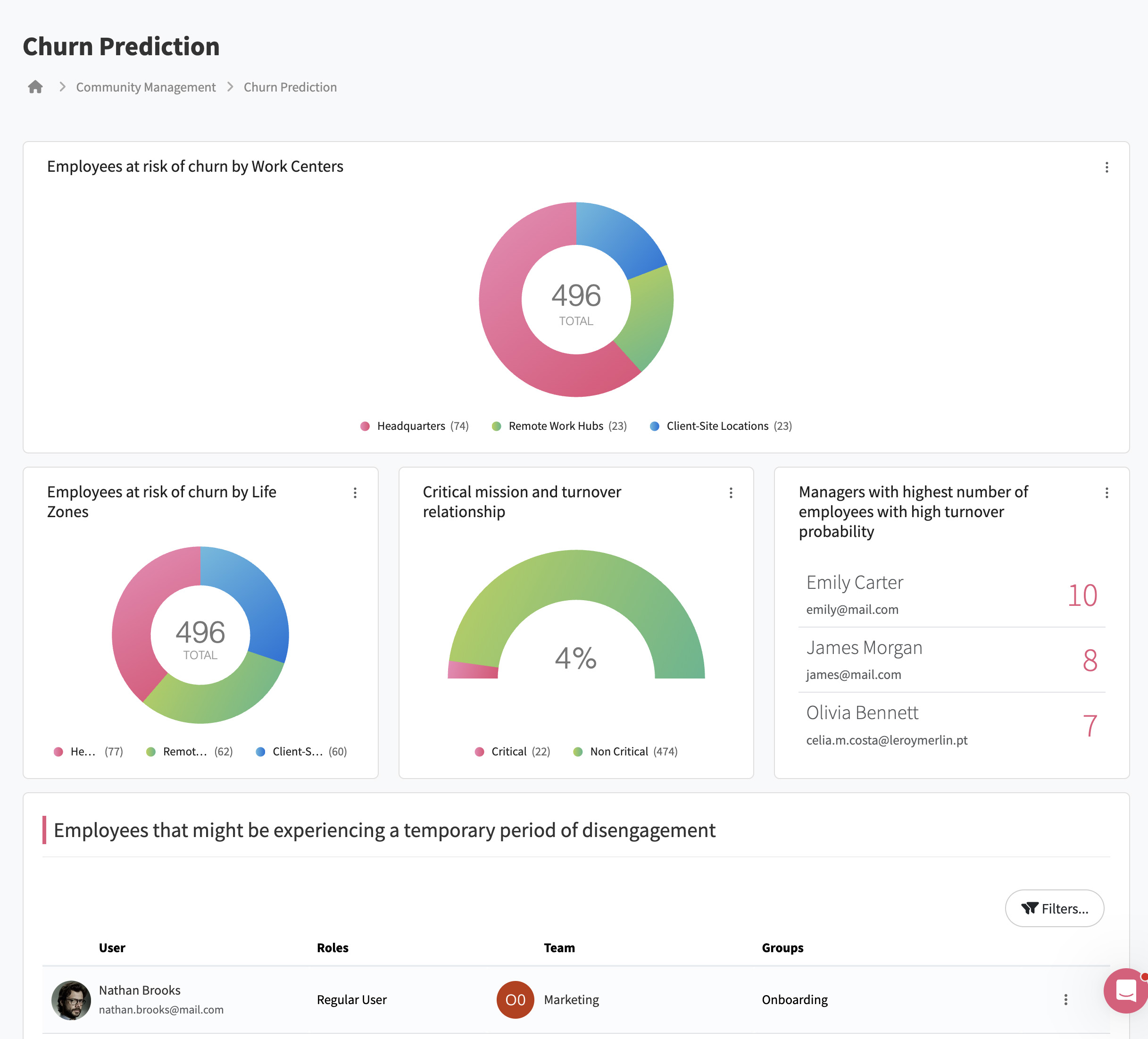
- Turnover prediction: Identifying profiles at high risk of leaving
- Succession management: Mapping internal talent with leadership potential
- Internal mobility: Identifying skill gaps and career paths
- Engagement and climate: Continuous analysis of well-being and motivation
- Diversity and inclusion: Diagnosing representation and bias in processes
Key People Analytics Indicators to Measure Employee Performance and Engagement
| Metric | Purpose |
|---|---|
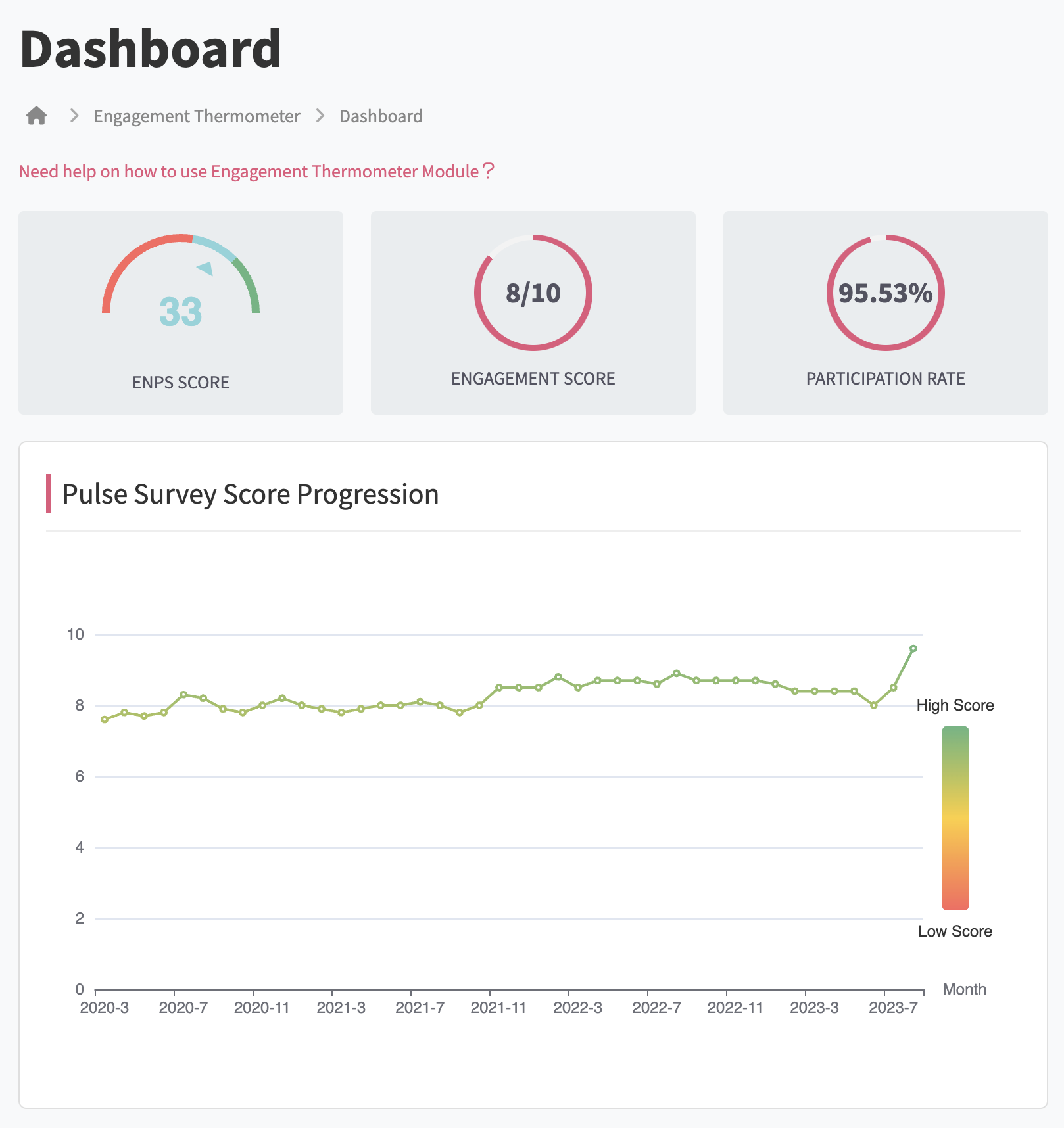
| Employee Net Promoter Score (eNPS) | Measures how likely employees are to recommend the company |
| Flight Risk Index | Predicts departures based on historical variables |
| Skill Gap Index | Ratio between current vs. required skills |
| Absenteeism Rate | Measures the absenteeism rate and can signal disengagement or health issues |
| Turnover Rate | Measures the rate of voluntary and involuntary turnover |
| Time to Productivity | Average time for a new hire to reach full productivity |
| Training Effectiveness Score | Perceived effectiveness of training and its impact on performance |
| Internal Mobility Rate | Percentage of employees who change role or area within the company |
| Engagement Index | Composite index measuring employee involvement and motivation |
| Performance Distribution | Analysis of the distribution of individual or team performance |
How the GFoundry platform drives a data-driven culture
GFoundry is not just a digital talent platform – it is an organisational intelligence ecosystem. By combining analytical modules, gamification and AI, the solution makes it possible to operationalise data in a seamless and strategic way.
Key analytical features
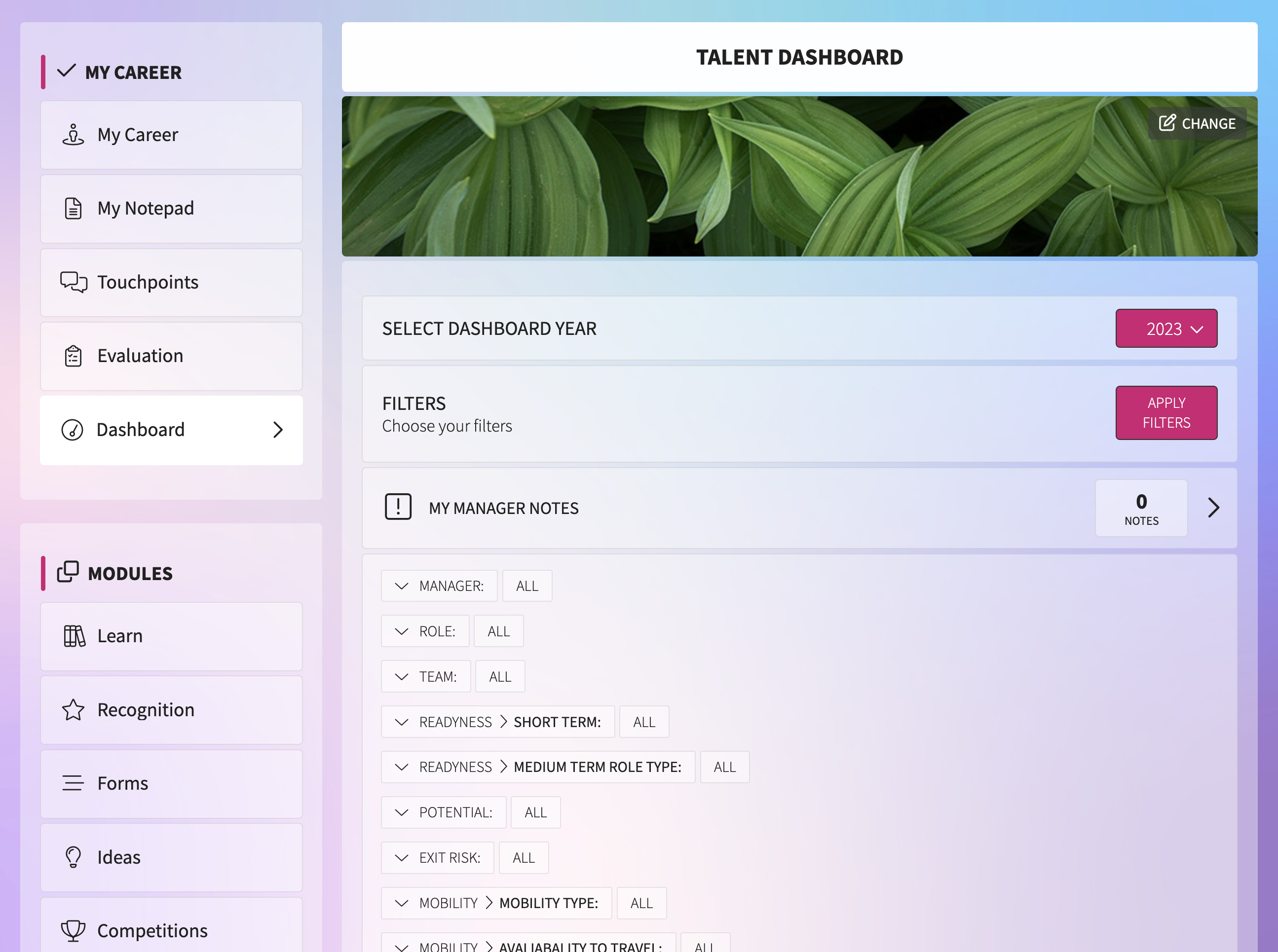
- Exit Risk Matrix: visual mapping of employees at risk of leaving
- 9-Box Matrix: integrated assessment of performance vs. potential
- Dynamic dashboards: with filters by team, time and skills
- Skills mapping: detailed gap analysis with automatic recommendations
Integrations and automation
GFoundry can be connected to ERPs, CRMs and Business Intelligence platforms such as Power BI and Tableau, enabling unified, secure and scalable talent management.

Future trends in People Analytics
The field is evolving rapidly and several trends are shaping the future of People Analytics in organisations:
What to expect in the coming years
- Generative AI applied to HR: automatic generation of reports and development plans
- Sentiment analysis with NLP: reading emotions in real time in texts and feedback
- People Experience Analytics: integration between employee journey data and perceived value
- Algorithmic ethics and transparency: frameworks such as those from the EU and ISO are setting new legal requirements
The cultural challenge remains
More than tools, the success of People Analytics depends on a data-driven culture. This requires continuous training, leadership involvement and a commitment to organisational change.
Read More
- From Analysis Paralysis to Strategic Action: How GFoundry Turns HR Metrics into Business Results
- How to Measure the ROI of Employee Engagement: The Practical Guide for HR Directors
- People Engagement Survey Portugal 2026: The 4 Trends That Will Decide Talent Flight or Retention
- Annual Survey vs Continuous Pulse: What the Data Says About Measuring Organizational Climate in 2026
- Skills Gap Analysis Guide: Transforming Talent Management with Data and AI
- GFoundry TOAR: Manage Talent with AI, Data and LLMs