
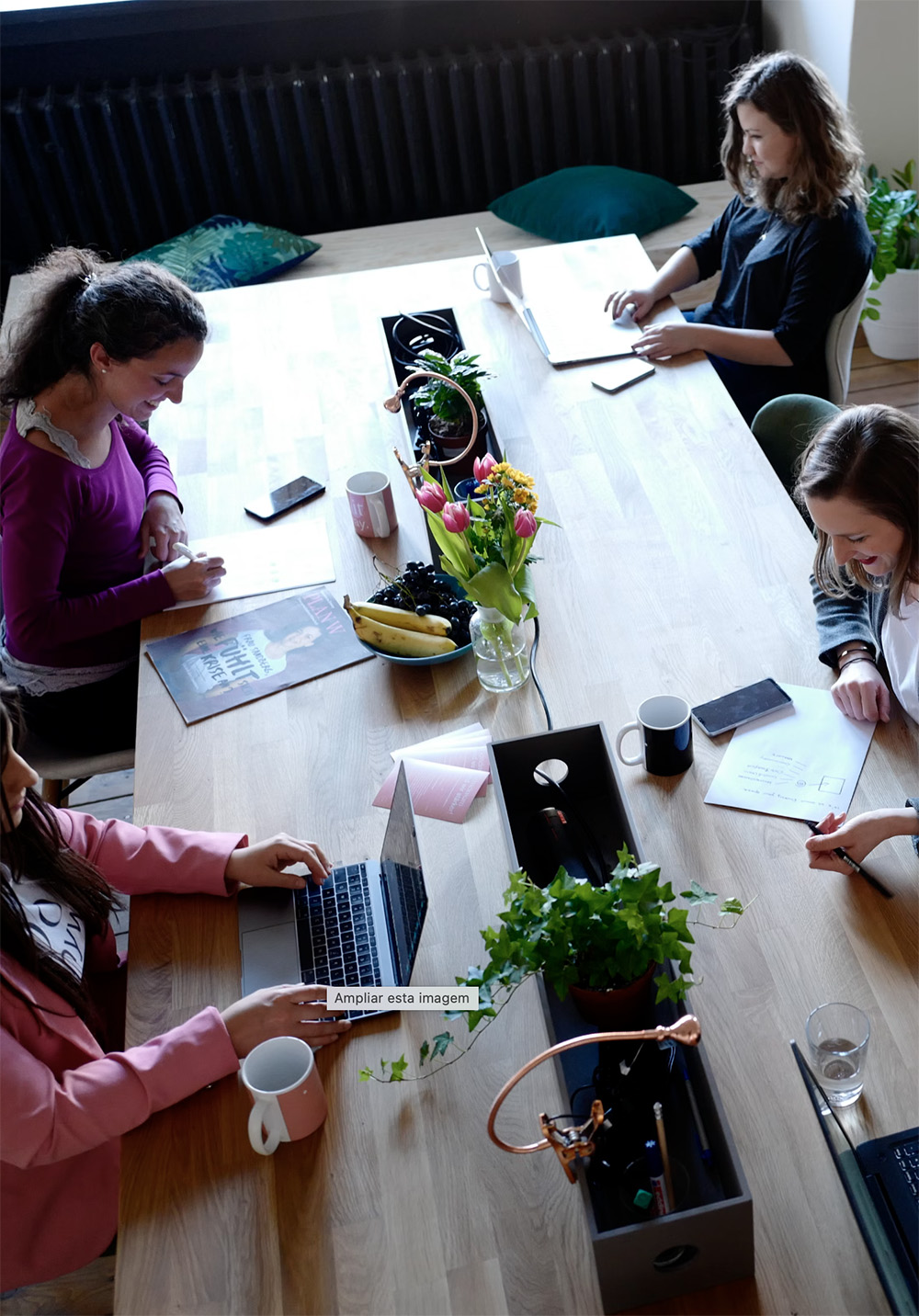
Multigenerational Management: Strategies to Unite Generations in the Workplace
For the first time in modern history, four (and in some cases five) generations are working side by side within organizations. This coexistence, at once rich and challenging, calls for a new approach to talent management, internal communication, leadership and engagement.
This article explores how understanding, valuing and harnessing generational differences can turn age diversity into a genuine strategic asset – provided there are clear strategies and the right tools in place.
Why is multigenerational management a priority?
In a world where population ageing coexists with accelerated digital transformation, the coexistence of different views of work, values, rhythms and communication styles has become inevitable. Ignoring this reality leads to conflict, turnover and cultural disconnection. Managing generations means managing the future.

Who are the generations at work and what sets them apart?
Each generation brings with it a cultural and social background that deeply shapes its relationship with work, authority, technology and career values.
Generational profiles
| Generation | Range | Key characteristics |
|---|---|---|
| Baby Boomers | 1946-1964 | Loyalty, hierarchy, stability, hard work |
| Generation X | 1965-1980 | Autonomy, pragmatism, work-life balance |
| Millennials | 1981-1996 | Purpose, feedback, technology, agility |
| Generation Z | 1997-2012 | Authenticity, diversity, digital native, flexibility |
The risk of stereotypes
While useful for strategic analysis, generational profiles should be interpreted with nuance. These are not fixed labels but sociological trends. Teams should work with people, not with tags.

The silent challenges and conflicts between generations
Intergenerational tensions often surface in subtle ways – but their impact on culture, productivity and engagement can be profound if left unaddressed.
Common sources of conflict
- Communication differences: some prefer formal email, others instant messaging
- Perceptions of remote work: flexibility vs. physical presence
- Progression expectations: long-term stability vs. immediate recognition
- Concept of leadership: hierarchical authority vs. horizontal influence
Organizational impact
Organizational impact
Studies show that poorly managed multigenerational teams are more prone to disengagement, value-based conflicts and ineffective communication, undermining cohesion and productivity. A Gallup report indicates that organizations with low engagement levels can lose up to 34% of an employee’s average annual salary in lost productivity.
Conversely, well-managed multigenerational teams demonstrate higher levels of collaboration, innovation and resilience. According to a Boston Consulting Group study, companies with more diverse management teams report innovation revenues 19% higher than less diverse ones.
These findings show that integrating generations through empathetic leadership and inclusion strategies is an investment with a direct return on business performance and sustainability.
The unique opportunities of multigenerational coexistence
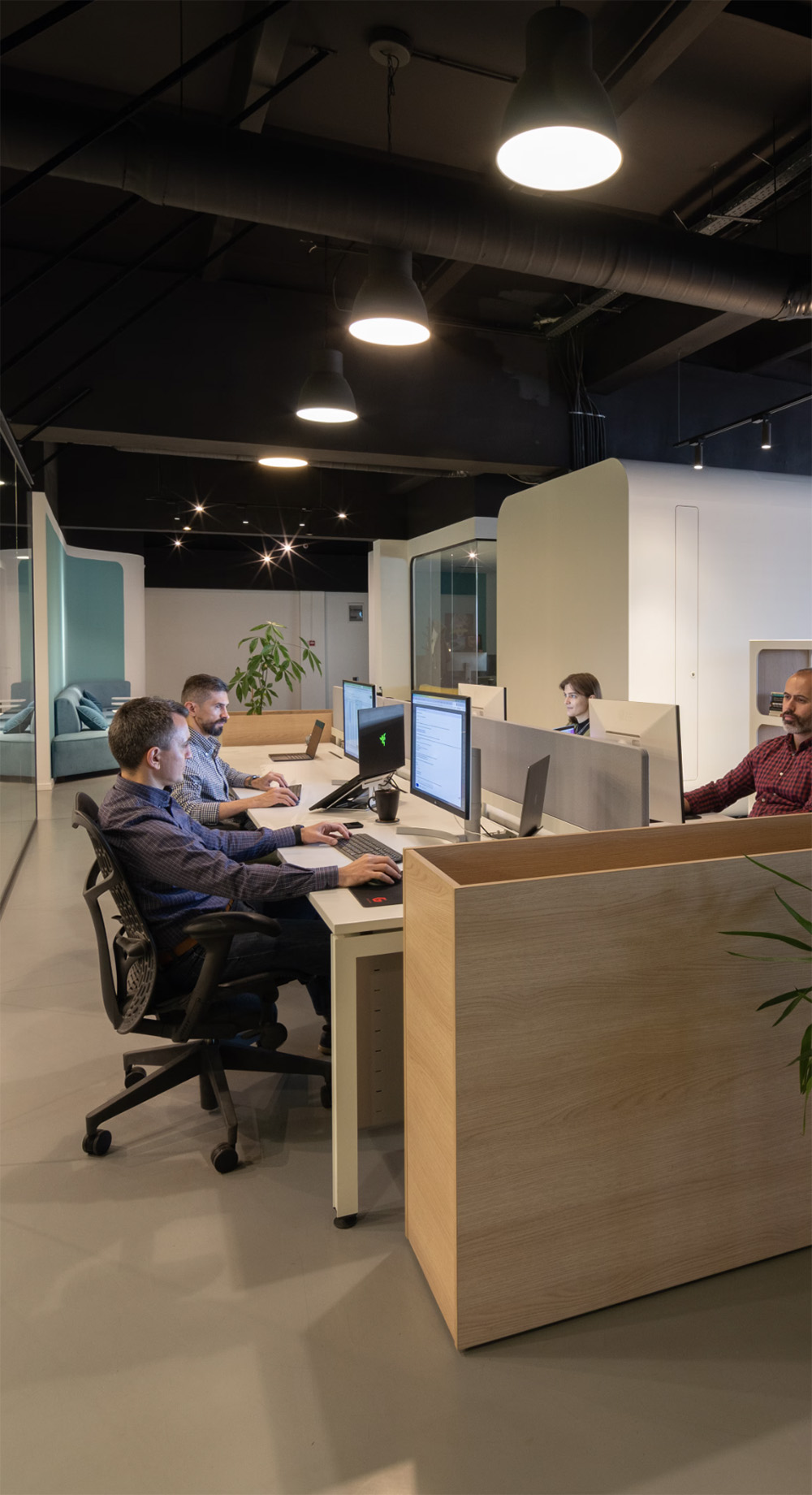
Well-integrated intergenerational teams hold immense potential for innovation, cross-mentoring and skills development.
Strategic advantages
- Knowledge transfer: the most experienced share tacit wisdom
- Reverse mentoring: younger employees bring digital skills and a fresh perspective
- Cognitive diversity: different ways of thinking and solving problems
- Emotional balance: older generations help manage crises with maturity
Innovation through creative tension
Studies show that companies with diverse, well-managed age groups are 1.7 times more likely to be innovation leaders in their sector.
Teams made up of different generations – from Generation Z to Baby Boomers – bring complementary approaches to problem-solving, fostering a more holistic and innovative outlook. According to SAP data and organizational diversity analyses, these companies also record higher levels of retention and engagement, especially when they implement intentional intergenerational integration practices such as cross-mentoring, continuous learning programs and technology platforms that respect different rhythms and working styles.
Investing in generational inclusion is not merely a matter of social responsibility – it is a business strategy with a proven return. In an era where the shortage of qualified talent is real, making the most of the potential of every age group becomes an increasingly relevant competitive differentiator.
How GFoundry fosters the integration of generations at work
GFoundry offers a technological and cultural solution that helps promote understanding, collaboration and engagement across different generations within the organization.
Relevant features
- Personalized missions: create challenges suited to different profiles and styles
- Collaborative gamification: fosters cooperation across intergenerational teams
- Multilateral feedback: encourages mutual recognition between generations
- Segmented Pulse Surveys: gather insights into different needs and expectations
- Social Wall and Tribes: informal sharing spaces that lower generational barriers
An inclusive, data-driven ecosystem
By combining AI, engagement and behavioral analysis, GFoundry makes it possible to create inclusive employee journey experiences, where every generation feels it has a voice, value and a future.
By analyzing real-time data – such as engagement levels, skills, participation patterns and continuous feedback – it becomes possible to tailor development paths to the specific motivations and needs of different age profiles. From Generation Z newcomers to the most experienced professionals from Generation X and the Baby Boomers, everyone can be supported with relevant, personalized and constantly evolving proposals.
The personalization of talent experiences becomes possible thanks to the integration of AI algorithms that adjust learning content, recognition and challenges based on user behavior and preferences. This fosters not only retention, but also equity in professional development, tackling often-invisible generational biases.
By creating an ecosystem where age diversity is monitored, valued and intelligently activated, GFoundry positions itself as a central platform for building more agile, human and data-driven organizational cultures.

The future of multigenerational leadership
The leader’s role will increasingly be that of a “translator of generations”. The effective leadership of the future will mediate expectations, facilitate listening and build bridges between different working styles.
Emerging trends
- Intentionally intergenerational teams with shared goals
- Cross-training with structured reverse mentoring
- Empathetic, contextual leadership tailored to each profile
- Revising EVPs (Employee Value Propositions) with segmented benefits
Uniting generations is a strategic competence
The coexistence of different ages is not a problem – it is a potential that remains largely untapped. Organizations that manage to orchestrate this diversity intelligently will gain a lasting cultural and competitive advantage.
Each generation brings unique experiences, distinct working styles and diverse expectations regarding leadership, technology and purpose. When well managed, this generational diversity drives innovation, enriches decision-making and promotes more inclusive and resilient environments.
Multigenerational management requires competencies such as empathy, adapted communication and organizational flexibility. Strategies like reverse mentoring programs, intergenerational teams and continuous learning policies are essential tools for building bridges between younger and more experienced employees.
In a context of accelerated digital transformation and demographic change, the ability to integrate generations within the same workplace has shifted from a matter of coexistence to a critical factor for sustainability and growth.
Read More
- Empathetic leadership: how to inspire diverse and hybrid teams
- 360 employee experience: well-being, recognition and hyper-personalization
- How to measure organizational happiness: the PERMA framework
- Upskilling and reskilling: micro-learning and AI for new skills
- People Engagement Survey Portugal 2026