HR in 2026: eight priorities for practical execution
AI, skills and working arrangements are changing HR decisions. A list of predictions is not a plan. This guide offers eight editorial priorities to assess in your organisation, without assuming that every employer follows the same path or that technology guarantees outcomes.
Choose an observable problem, owners, resources and indicators. Connect learning, participation and follow-up into a coherent process.
1. Culture, wellbeing and working conditions
Purpose and recognition should coexist with appropriate pay, sustainable workload and development opportunities. Culture messages lose credibility when daily experience contradicts them.
Listen and act. GFoundry Pulse tracks nine climate metrics; Forms & Surveys/Insights supports custom questions. A climate result is neither a clinical diagnosis nor proof of a cause.
2. Flexibility and access for distributed teams
Work design depends on roles and operations. Remote, office and frontline teams need relevant information, clear schedules and support. There is no ideal hybrid arrangement for every activity.
Build onboarding around Learn content, activities, contacts and feedback. Use audiences and permissions to make information accessible to the people who need it.
3. Skills, inclusion and employee experience
Identify required skills and opportunities to develop them. Collect contextually appropriate evidence and discuss interests. Age, credentials or digital activity alone are insufficient evidence of capability or potential.
Skills Mapping brings together evidence from configured sources, including learning, recognition and evaluation. Read coverage, dates and categories; missing evidence does not mean a missing skill. Evaluation and IDPs connect needs to followed-up actions.
4. Data and AI with clear use criteria
Separate facts, interpretation and hypotheses. Data can support decisions while still containing gaps and biases. Define access, sources, oversight and error correction.
Premium People Intelligence provides workforce context and Talent Insights individual development context. They are services rather than agents. Talent Strategist is the talent analysis agent. Explore agents and services.
5. Structured learning, short units and practice

Choose formats by objective. Curricula, microlearning and supported training can complement each other. Content completion and workplace application provide different evidence.
Learning Designer prepares a course proposal from a PDF or brief, with confirmation and review before publication. Learn organises content and programmes. Role-Play Coach supports voice or text conversation practice with criteria and structured feedback.
6. Communication that helps people act
Reduce duplicate messages and explain changes, required action and where to find support. Organise audiences, cadence and editorial ownership. More notifications do not mean better understanding.
Communication, Communities and digest help organise sharing. Recognition should be specific and appropriate; Star recognition is private to the recipient and manager. Measure access and usefulness alongside publishing volume.
7. Agents with defined tasks and permissions
Start with a concrete use: finding information, preparing learning or analysing a talent question. Distinguish answers, proposals and actions that change records. Confirm who may review or execute.
Premium MCP supports queries and actions through available tools, with compatible clients, authentication and defined scope. It does not imply autonomous collaboration between every agent or instant integration. Explore MCP and agent protocols.
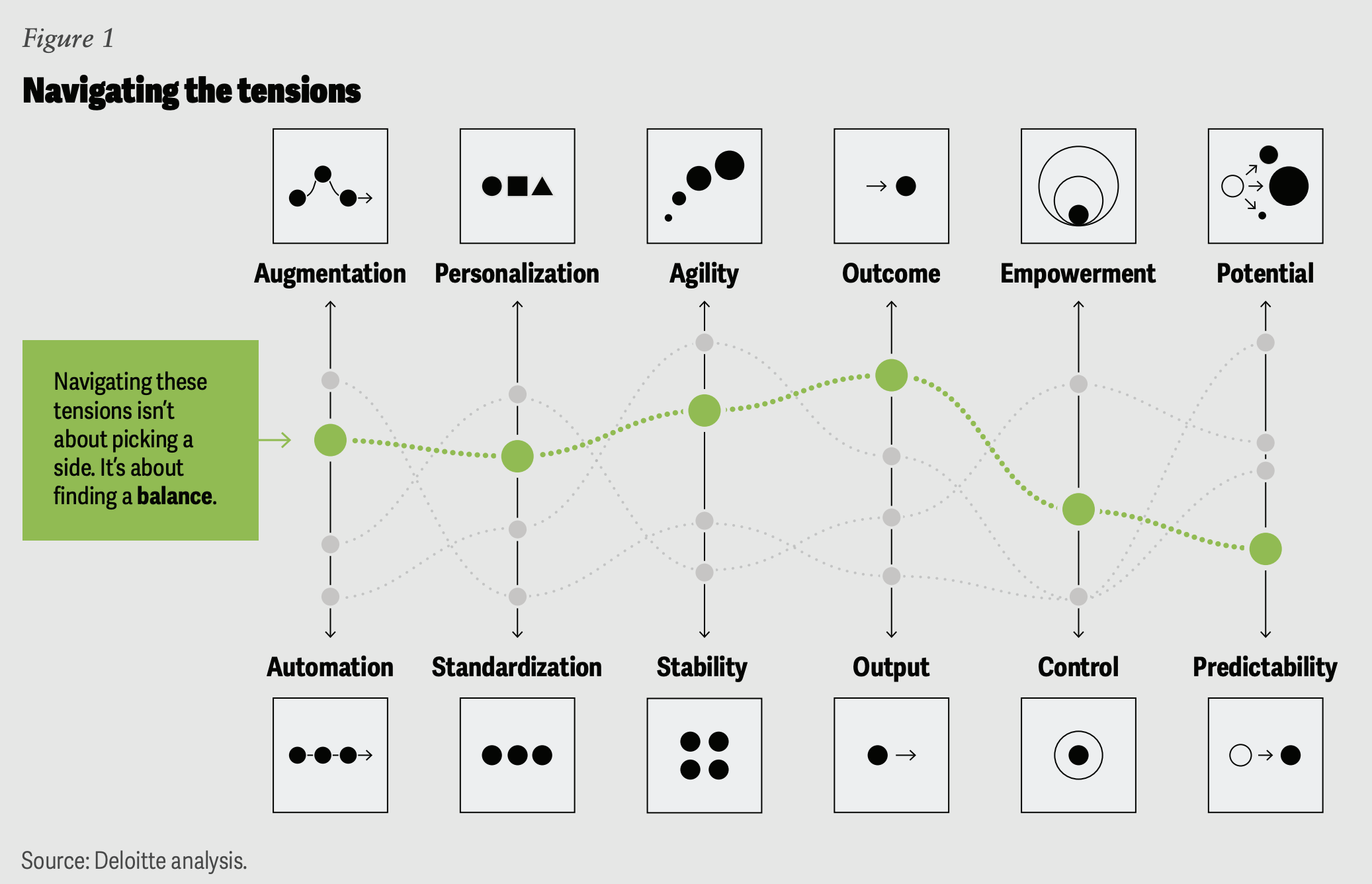
8. Leadership and decisions with follow-through
Combine shared criteria with support appropriate to each person. Practise feedback, follow goals and review results. Technology organises processes without removing management judgement and responsibility.
Mentoring can support skill development and knowledge sharing. GFoundry suggests pairs automatically, with HR review and approval. Projects using Talent Insights require Premium.
Choose a programme and demonstrate its value
Bring a real onboarding, leadership or mentoring journey to a demonstration. Define a baseline and pilot with execution and outcome indicators. GFoundry connects learning, evaluation, recognition and participation while complementing administrative HRIS processes.
Compare plans and explore the calculator with five estimated gross annual benefits. Validate assumptions, costs and possible overlaps before calculating net ROI.
Further reading
Ready to get started?
Take the next step and learn more about how GFoundry can help you.