
 The Modern Corporate Training Dilemma
Pause for a moment and answer honestly: is continuous training at your company seen by employees as an exciting opportunity or as just another task on the to-do list? Is your mandatory training a genuine engine of growth and innovation, or merely a formality to meet legal requirements?
If your answer wavers, you are not alone. This is the dilemma that countless Human Resources and Learning & Development (L&D) managers face every single day. Companies invest significant time and resources in training programs with the noble goal of empowering their teams, improving performance and driving innovation. Yet the reality on the ground is often frustrating.The challenge is twofold and universally recognised. On one hand, the low interaction of employees with the content. On the other, the glaring difficulty in retaining the knowledge acquired. Studies in the field are clear and concerning: research cited by the Harvard Business Review reveals that only 12% of employees apply the new skills they acquire in training to their work. Most of the investment, time and effort simply evaporates.
Part of the explanation for this phenomenon was given to us more than a century ago by the psychologist Hermann Ebbinghaus and his “Forgetting Curve”. His study showed that, without active reinforcement, a learner can forget up to 70% of new information in just 24 hours. It is a striking finding that forces us to ask: how can we expect impact if the foundation of knowledge fades almost as fast as it is transmitted?
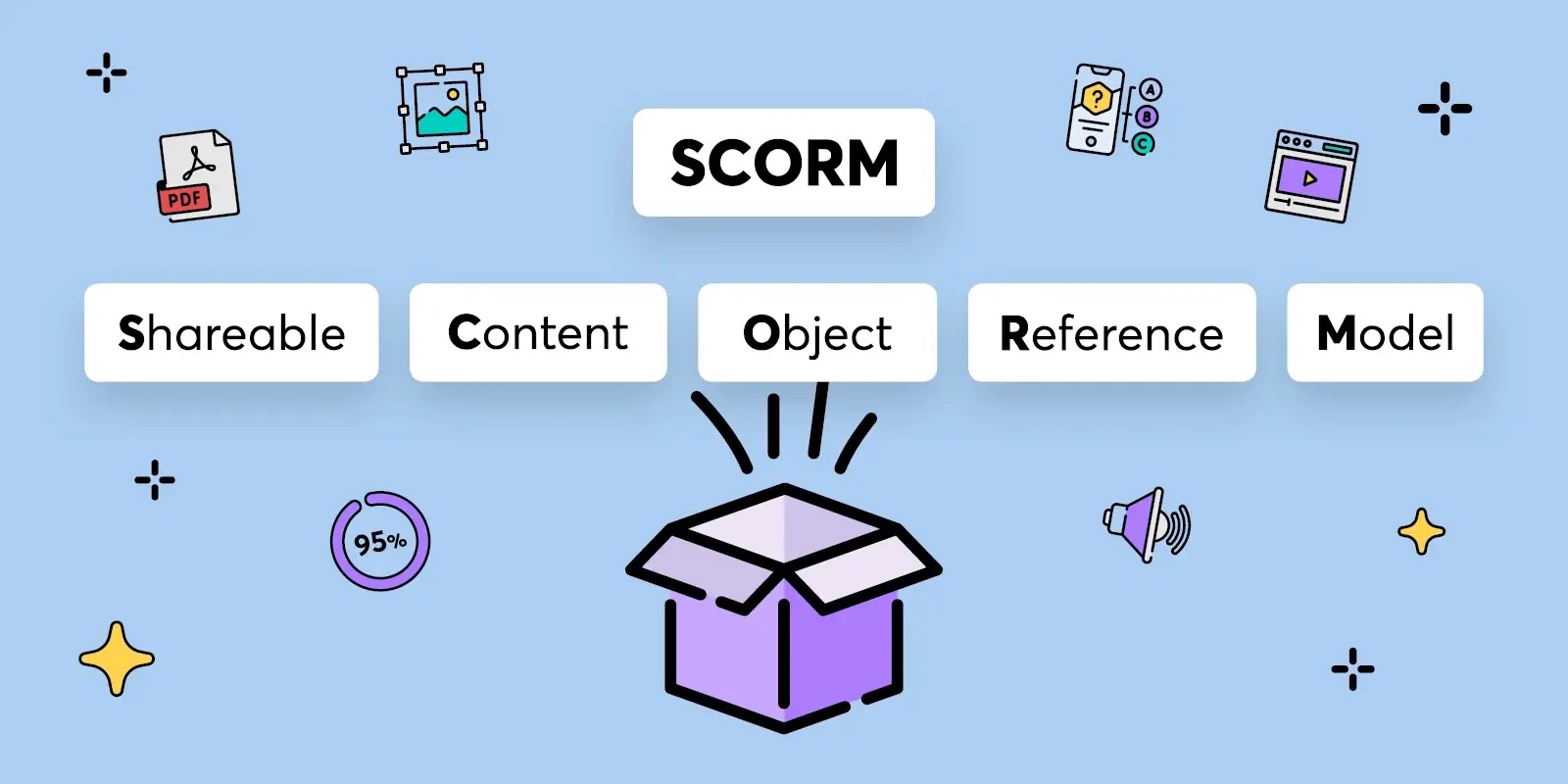
Faced with this challenge, many large companies took refuge in a standard solution, a technological safe harbour: the SCORM (Shareable Content Object Reference Model) format. Born out of the need to create a standard for e-learning content, SCORM promised interoperability and traceability. It allowed a training “package” to run on any compatible Learning Management System (LMS), recording basic data such as completion or a test score. It was, without doubt, an important step.
However, by focusing on the “package”, on the container, we may have forgotten the most important thing: the content and the experience of the person learning. Blindly trusting SCORM as the only path is like believing that a standardised container, on its own, guarantees the quality of the cargo it carries. It guarantees technical compatibility, but not interaction, not retention and, far less, inspiration.
It is time to ask: is the road that brought us here the same one that will take us to the future of corporate learning?
 SCORM: The Reliable Standard… But Is It the Only Path?
To understand why so many companies still depend on SCORM today, we have to go back in time. In the late 1990s and early 2000s, the world of e-learning was chaotic. Every content producer and every platform (LMS) spoke its own digital “language”, making it almost impossible for a course created by one company to work in another’s system.
SCORM was born to solve this problem. Think of it as the MP3 format for music or USB for peripherals. Its goal was not to be the most inspiring content, but the most universal. It created a technical standard that guaranteed two things essential at the time:
- Interoperability: A SCORM “package” could be uploaded and run on any compatible LMS. The end of incompatibility headaches.
- Traceability: The platform could record basic information sent by the SCORM package, such as “started”, “incomplete”, “completed” and the score on a test.
This standardisation was revolutionary and gave organisations the confidence they needed to invest in digital training at scale. SCORM accomplished its mission: it brought order to chaos. The thing is, the world has changed in the meantime.
The Hidden Limitations
SCORM’s strength — its standardised rigidity — became its greatest weakness. Its architecture reflects an outdated technological era, resulting in practical drawbacks that frustrate both content creators and employees themselves:
- A Dated User Experience: Navigating a SCORM package is often rigid, linear and poorly responsive, especially on mobile devices. The “click to advance” experience feels antiquated next to the fluid, interactive interfaces we are used to in every other app in our daily lives.
- Dependence on Specific Tools and Skills: Creating SCORM content is not trivial. It requires the use of external authoring software (such as Articulate, iSpring or Captivate), which entails licensing costs and the need for specific technical skills within the team.
- Slow and Inefficient Updates: Found a mistake in a sentence or need to update a piece of data? With SCORM, there are no quick edits. Any small change requires the original file to be edited in the authoring tool, re-exported, and the entire package re-uploaded to the LMS platform.
- Unsuited to Modern Learning: The model was designed for long, monolithic courses. It is structurally ill-suited to today’s needs for microlearning — short, interactive formats consumed in a feed, just as people consume information today.
- Superficial Data Analysis: SCORM’s traceability is basic. It is limited to recording completion and a score, but offers no deep insights. Questions like “Where did learners drop off?”, “Which content generated the most interaction?” or “What are the behaviour patterns?” go unanswered, unless you resort to more complex technologies such as xAPI and LRS (Learning Record Store), which add complexity to the implementation.
Beyond these internal limitations, its “closed box” nature prevents it from connecting to the living knowledge ecosystem of the internet. Seamlessly integrating a YouTube video, a relevant article or an interactive web tool becomes a technical challenge that breaks the promise of traceability.
Continuing to rely on it exclusively is like insisting on using a paper map in the era of real-time GPS. It gets us to the destination, but more slowly, more expensively, less efficiently and without the wealth of data that lets us make the best decisions.
This leads us to a fundamental question that can change the whole perspective on training management:
What if traceability and legal validity did not depend on the file format, but on the quality and intelligence of the platform where the learning takes place?
 The Legal Validity of Training: Decoding Portuguese Legislation
The fear of failing to comply with the law is, understandably, one of the biggest barriers to adopting new technologies in corporate training. For years, the legal security of training records was associated with the use of SCORM packages. But does Portuguese law actually require a specific file format? The answer is a resounding no.
Focusing on What Matters: What Does the Law Really Say?
Let’s go straight to the source: Article 131 of the Portuguese Labour Code is clear. It stipulates that the employer must ensure each worker a minimum of 40 hours of continuous training per year. The company’s obligation is to guarantee the training and, crucially, to be able to prove it.
The law focuses on the “what”, not the “how”. It does not mention file formats, authoring software or pedagogical methodologies. What the legislation requires is a reliable record-keeping system that can demonstrate, beyond doubt, that the training took place. The essential elements to prove are: who took the training, how long it lasted, when it happened and whether it was completed successfully. The company’s responsibility is to have a system that provides these data in a structured way.
 GFoundry and Legal Compliance: Native Traceability
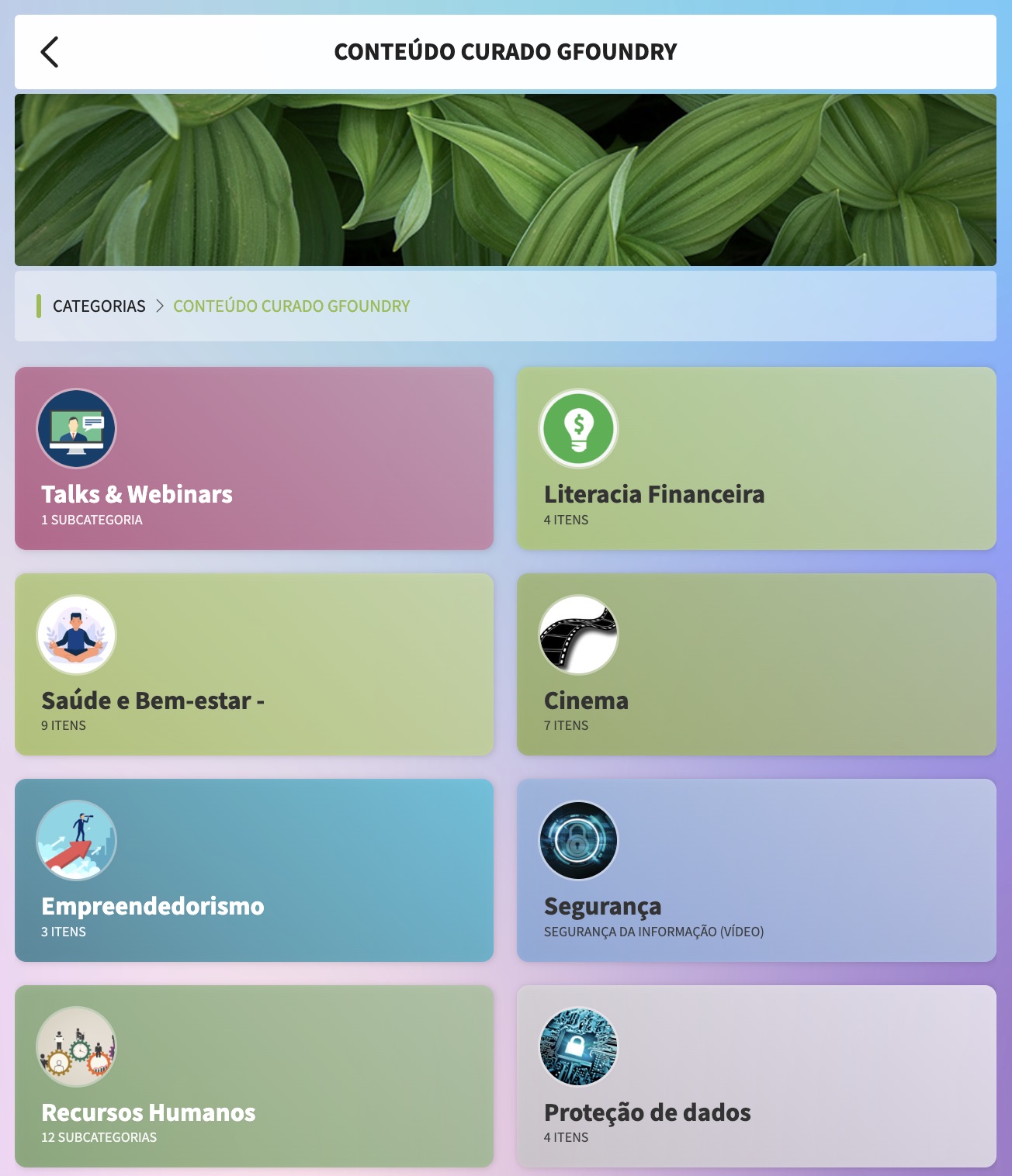
This is precisely where a modern platform like GFoundry demonstrates its superior value. Traceability is not an extra or something dependent on an external package; it is an integral, native part of the platform.
While a SCORM package merely sends basic “completed” signals, GFoundry offers far more granular and automatic control and visibility:
- Automatic Time Monitoring: The platform actively records the time each employee spends on each module or piece of content, be it a video, a quiz or a document.
- Detailed Progress Tracking: You can follow the learner’s progress step by step, seeing which stages have been completed and which are still pending.
- Evidence of Completion and Assessment: The platform records the completion of learning paths and assessment results, generating automatic certificates that serve as proof of the knowledge acquired.
All this information is collected and organised automatically, eliminating uncertainty and manual administrative work.
From Record-Keeping to Audit: Total Peace of Mind
The robustness of this record-keeping system translates into complete security for the company in meeting its legal duties. GFoundry’s detailed, exportable data make it simple and quick to fill in Annex C of the Single Report (Relatório Único), the official instrument for reporting training.
More importantly, in the event of an audit by the Authority for Working Conditions (ACT), the company has at its disposal complete and reliable reports that prove compliance with the mandatory training hours.
And for companies that work with training providers certified by DGERT? GFoundry works as the perfect technological platform to deliver those courses. The training provider retains its responsibility for certification and for entering data into the SIGO system, while being able to extract from GFoundry all the attendance and completion reports it needs — benefiting from a far richer and more interactive learning experience for its trainees.
GFoundry not only meets the legal requirements, it offers a level of traceability and detail that goes well beyond anything SCORM ever set out to do. Legal security stops depending on a file and comes to reside in the intelligence of the platform itself.
 GFoundry’s Learning Ecosystem: More than Courses, We Create Experiences
If the previous chapters diagnosed the limits of traditional models, this one presents the cure. The answer to the question we left hanging — “What if legal validity depended on the intelligence of the platform?” — is a learning ecosystem that swaps rigidity for fluidity and passivity for interaction.
GFoundry’s solution should not be seen as a mere replacement for an old LMS or for your SCORM packages. It represents a natural evolution. It is the shift from a library of static files to a laboratory of dynamic knowledge, where the goal is not just to “complete” a course, but to absorb, retain and apply skills continuously.
This is possible because the platform was designed around flexibility and a deep understanding of how people learn today.
Features that Generate Real Impact
The secret lies in giving L&D teams the tools to build memorable experiences, and employees the freedom to consume them effectively.
- Microlearning Format Learning: The power of knowledge “snacks”
- The antidote to the “Forgetting Curve” is constant reinforcement. GFoundry is built on the microlearning principle. Instead of long, massive one-hour courses, learning is broken down into “snacks” or knowledge pills: short videos, quick challenges, focused articles. This format lets employees learn something new and relevant in the time it takes to drink a coffee, making training an integral part of their workflow rather than an interruption.
- Dynamic and Engaging Content
- These learning “snacks” can take any form. The platform lets you break the monotony and use the right format for each message. Integrate videos from YouTube, share an inspiring podcast on leadership, provide PDFs with technical manuals and, above all, challenge knowledge with interactive quizzes that turn assessment into a moment of engagement.
- Structured Paths: Missions with Purpose
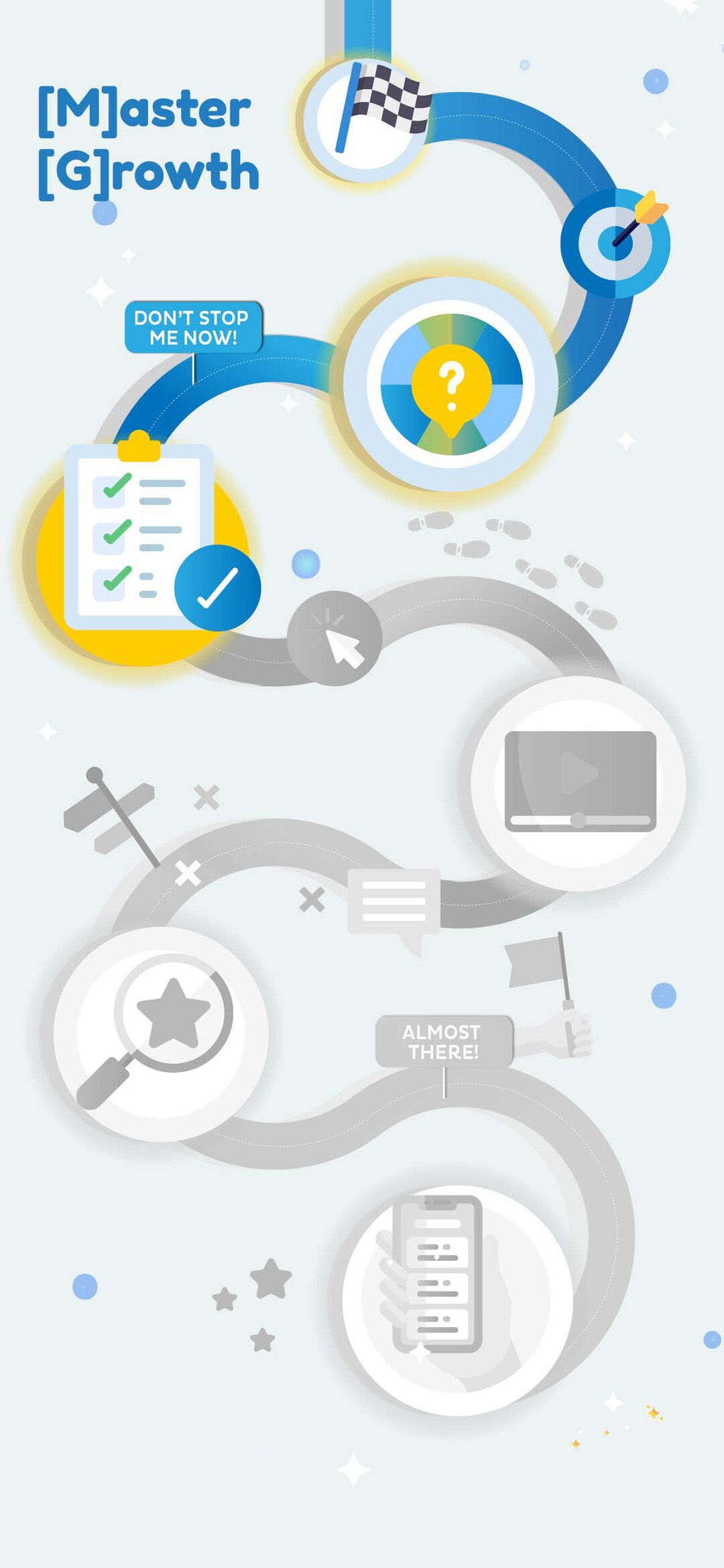
- Loose content does not build skills. That is why GFoundry lets you organise these microlearning blocks into Learning Journeys or Missions. Instead of an “induction course”, the new employee embarks on the “Onboarding Mission”, with clear phases, defined objectives and rewards that motivate them to move forward. This narrative approach turns learning into a journey with purpose.
- Autonomous and Flexible Learning
- Although the paths are structured, the pace belongs to the employee. The platform offers complete flexibility so that everyone can learn whenever and wherever is most convenient — on the computer, the tablet or the smartphone. This autonomy not only respects different learning speeds, it also fosters a sense of responsibility and control over one’s own professional development.
By combining these elements, GFoundry transforms training from an isolated event into a continuous, agile experience that is perfectly aligned with the expectations and habits of modern professionals.
 The Power of Gamification Design: When Learning Becomes Captivating
If microlearning and dynamic content are the body of the learning experience at GFoundry, gamification design is its soul. It is the secret ingredient that turns obligation into motivation and passivity into active participation.
But let’s be clear: when we talk about gamification, we are not talking about turning the workplace into a game arcade. It is not about playing. It is about applying the psychology and mechanics that make games so deeply engaging in a professional context. It is the intelligent use of elements such as points, badges, leaderboards, visible progress and, above all, narratives, to motivate employees to reach their development goals.
This design taps into intrinsic human motivators: our desire to compete, to achieve mastery, to gain recognition and to complete a challenge. Suddenly, training stops being a monologue from the company to the employee and becomes an interactive dialogue.
Beating the “Forgetting Curve” with Science
Remember the “Forgetting Curve” we mentioned? Gamification design is the most powerful weapon for flattening it. While microlearning delivers knowledge in perfect doses, game mechanics ensure those doses are effectively absorbed and retained.
How? Through active participation.
An interactive quiz is not just a test; it is a quick challenge that forces us to actively recall information (active recall). A “knowledge battle” between colleagues about a new product is not just an assessment; it is a form of spaced repetition (spaced repetition), one of the most effective techniques for fixing memory over the long term. By fighting for a “Cybersecurity Expert” badge, the employee is not just consuming content — they are interacting with it, applying it and, consequently, learning it far more deeply.
Visible Results: From Engagement to Business Impact
All this theory translates into practical, measurable results that go well beyond vanity metrics. The increase in engagement has a direct impact on business indicators.
- Higher adherence to mandatory training: Think of the typical compliance or safety training, often seen as a tedious chore. Now imagine it as a “Mission” where employees accumulate points, become “Compliance Guardians” and compete in a healthy way. The result? Completion rates approaching 100%, achieved in record time and with a positive attitude, drastically reducing the administrative effort of having to “chase” those who have not finished yet.
- Better application of new skills: A sales team that learns about a new product through interactive challenges and simulations will retain far more information than if they simply read a manual. That deep knowledge translates into greater confidence, better sales arguments and, ultimately, an increase in revenue.
- Direct impact on culture and results: Employees more involved in their own learning are more competent, more aligned with the company’s strategy and more motivated. Training stops being a cost in the HR department and becomes a strategic investment visible in overall performance, innovation and the building of a culture of continuous improvement.
 Efficiency and Intelligence: Technology at the Service of Knowledge
An outstanding learning platform has to shine on two fronts: being exceptional for those who learn and extraordinarily efficient for those who manage it. If the previous chapters showed how GFoundry captivates employees, this one reveals the power of the technology that simplifies and enhances the work of L&D and HR teams. True evolution lies not only in the user experience, but in the intelligence of the tool.
Accelerating Creation with Artificial Intelligence
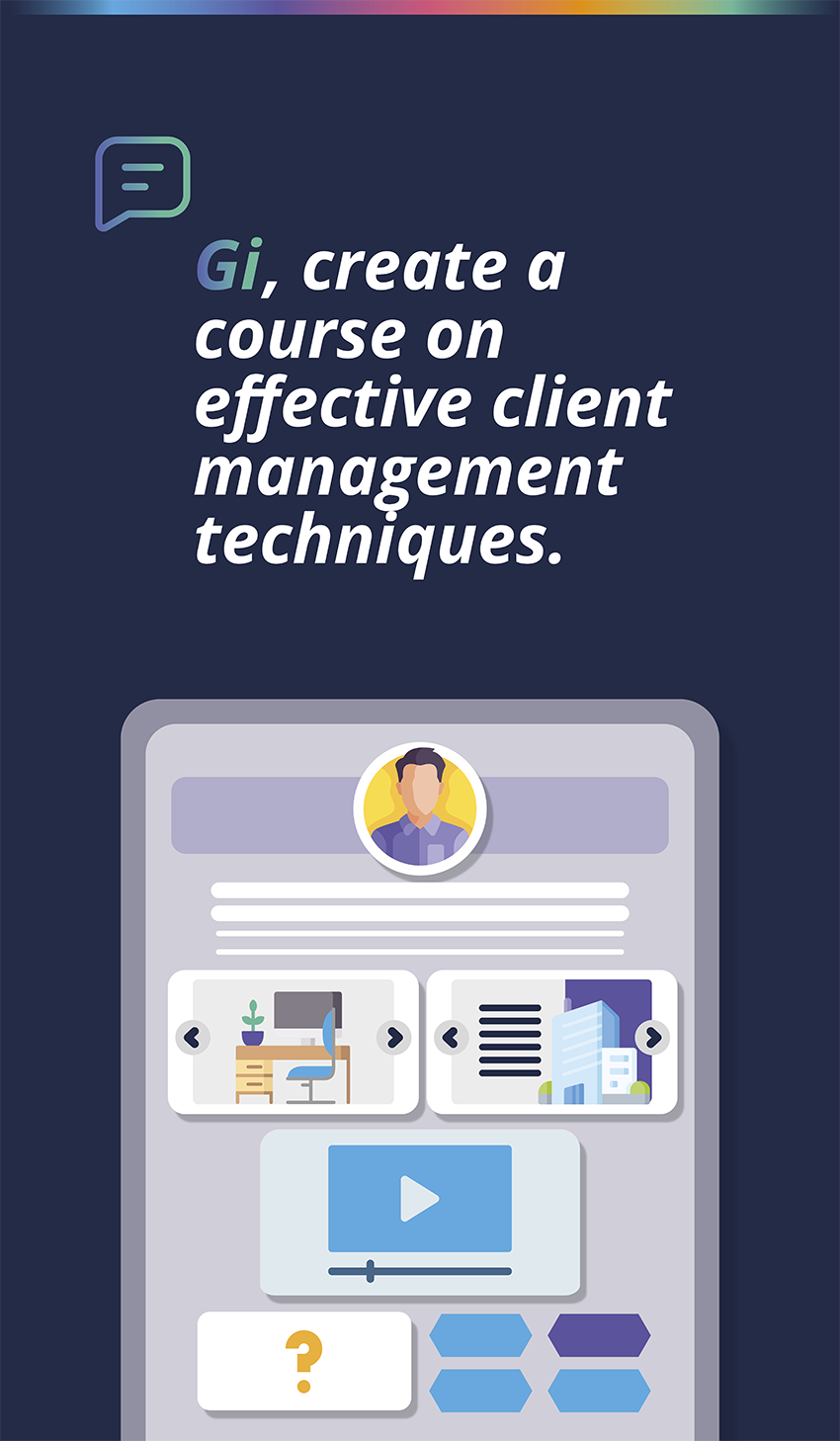
One of the biggest bottlenecks in corporate training is content production. Creating relevant, interactive and well-structured materials consumes precious time. It is to solve this challenge that GFoundry integrates Gi Learn, an AI-powered virtual assistant that works as a creative partner for your team.
Instead of starting with a blank page, you can ask Gi Learn to generate quiz drafts, article summaries, or even to structure the initial steps of a new learning journey. This frees your specialists from repetitive tasks and lets them focus on what is truly strategic: analysing training needs, refining the message and measuring business impact. Content creation stops being an obstacle and becomes an agile, collaborative process.
Superior Traceability: From Basic Data to Actionable Insights
We have already established that SCORM’s traceability is basic. It tells you whether a course was completed and little more — in other words, it lacks granularity. GFoundry tells you how, why and where you can improve. The difference is between receiving a postcard saying “I’ve arrived” and having a GPS with complete telemetry of the journey.
GFoundry’s reports and dashboards offer a deep, useful view that turns data into decisions:
- Identify engagement patterns: See which content is most popular, what time of day your employees prefer to learn and where they lose interest.
- Detect knowledge gaps: Analyse quiz results to understand which questions or topics are proving hardest for the team, enabling targeted reinforcement.
- Optimise the paths: Discover at which stage of a “Mission” users drop off and optimise that step to ensure a higher success rate.
These insights enable continuous improvement of training programs, ensuring your investment delivers the maximum possible return.
Take the Next Step in Your Company’s Talent Strategy
Throughout this article, we have travelled from the dilemma of modern corporate training to the technological solutions that define its future. We challenged the status quo, demystified the legislation and explored the power of learning that is, at once, captivating for the employee and intelligent for the business.
We saw that dependence on standards like SCORM, while understandable in the past, today represents an anchor that limits the agility, engagement and true impact of training. We demonstrated that legal compliance in Portugal does not require a file format, but rather robust traceability — a requirement that GFoundry not only meets but surpasses, with its detailed, audit-proof reports.
More importantly, we showed what is possible when you swap passivity for interaction. By combining the power of microlearning with gamification design, GFoundry turns training into a continuous, motivating journey, actively beating the “Forgetting Curve” and ensuring that knowledge is retained and applied. All of this supported by cutting-edge technology, with artificial intelligence and ready for the future.
The main message is clear: GFoundry is not just a legally and technically valid alternative to SCORM. It is a fundamentally more efficient, more agile and more impactful way to develop your company’s most precious asset: talent.
The moment has come to make a choice. You can keep seeing training as a box to be ticked, an obligation to be met with the tools of the past. Or you can embrace it as the true engine of growth, competitiveness and culture that it should be.
Are you ready to swap mere compliance for genuine impact?
Continue reading:
- Best LMS and E-learning Platforms: The pillar guide to choosing a modern LMS that goes beyond SCORM.
- Strategic Microlearning: The Science of Learning in the Flow of Work: How short, focused learning beats the Forgetting Curve and fits real workflows.
- Immersive Training: The Future of Learning with VR and AR: Explore how Virtual and Augmented Reality are reshaping corporate training.
- Beyond Theory: How Role-Play Bots Validate Real-World Skills: Move from passive content to AI-driven role-play that proves applied skills.
- Upskilling and Reskilling with Microlearning and AI: Build new capabilities at scale with AI-curated learning paths.
- Skills Gap Analysis: Transforming Talent Management with Data and AI: Use data and AI to map skills gaps and target training where it matters.